
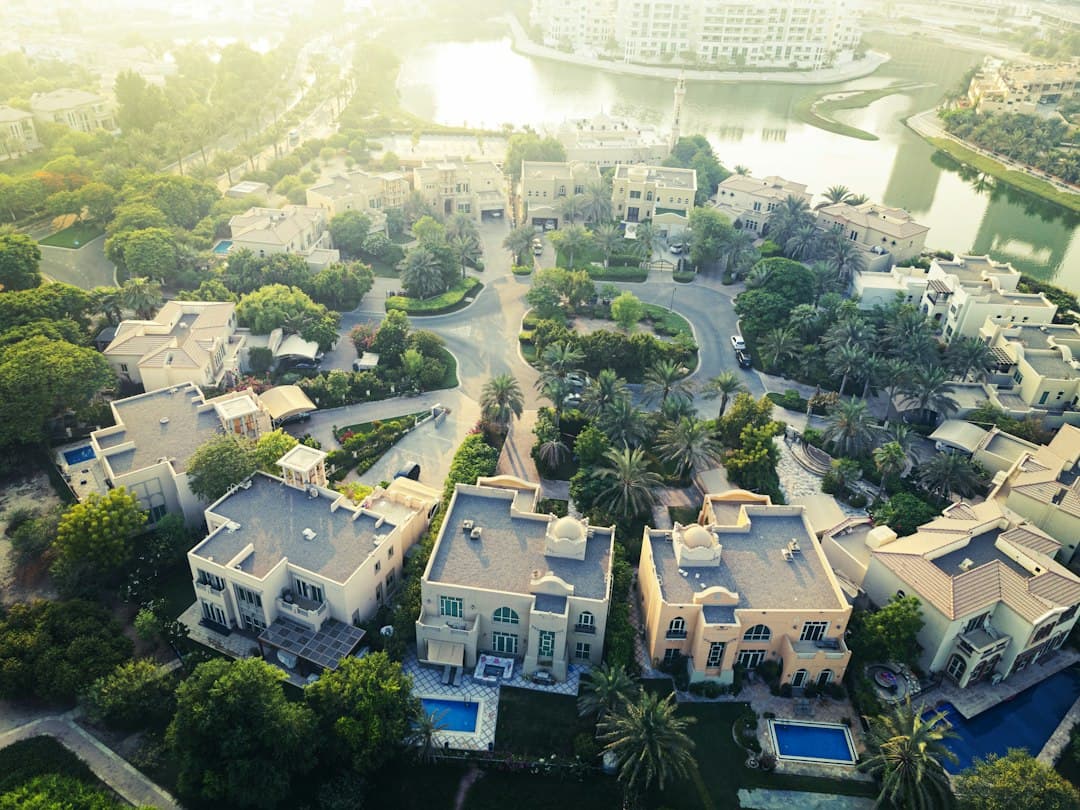
Yes, foreigners can buy property in Dubai, and in designated freehold areas such as Dubai Hills Estate they can own a home outright, with title registered at the Dubai Land Department (DLD). The process runs through a few clear stages: choosing a freehold unit, agreeing a price, paying the DLD transfer fee and registering the sale. Some purchases may also qualify a buyer for a residence visa under the property investor route, but eligibility depends on property value and current rules, so confirm details with a licensed advisor before committing funds.
Who Can Buy Property in Dubai as a Foreigner?
Non-UAE nationals can buy property in Dubai, but not everywhere. Foreign ownership is generally permitted in freehold zones that the government has designated for it, and Dubai Hills Estate sits within that framework. Outside these zones, foreign buyers are typically limited to leasehold arrangements.
Nationality alone does not decide eligibility. Buyers should also confirm that the specific project is registered as freehold for non-UAE owners, because a community can be freehold while certain plots or older titles follow different rules. Checking the title with DLD before signing is the simplest safeguard.
Why Freehold Status Matters in Dubai Hills Estate
Freehold ownership means the buyer holds the title outright, rather than holding a long lease on land owned by someone else. In Dubai Hills Estate, the Emaar-developed master community, eligible buyers can own apartments, townhouses and villas on that basis. Every sale should be recorded with DLD, which is the official register of ownership.
Freehold does not mean every unit is equal. Service charges, building condition, view and floor position all affect what you actually pay and what you can resell for. You can read more about the community itself in our Dubai Hills Estate community guide.
Step-by-Step: From Search to Registered Title
Most foreign buyers follow a similar sequence, although the details vary by seller and transaction. Working through the steps in order helps you avoid paying deposits before you have verified the basics. The typical route looks like this:
- Set your budget and purpose. Decide whether the property is for living, rental income or residency, and calculate the total cash you will need beyond the purchase price.
- Shortlist freehold units. Compare options through a licensed broker and check each asking price against recent DLD transactions.
- Inspect and verify. Confirm the unit's condition, outstanding service charges and any title restrictions before making an offer.
- Sign the Memorandum of Understanding (MoU). This sets the price, payment schedule and handover terms, usually with a deposit held in a trust account.
- Arrange finance or cash settlement. Confirm funds are ready, including any mortgage approval, so the transfer is not delayed.
- Complete the DLD transfer. Both parties attend the transfer, the transfer fee is paid and the new title is issued in the buyer's name.
Each stage carries a risk of delay or dispute, so it is worth using a licensed broker and, where needed, a lawyer to review the documents. Keep copies of every payment receipt and the registered title deed.
Costs to Budget for in AED
The purchase price is only part of the total outlay. Buyers should plan for transfer and registration costs, broker fees and ongoing charges. Figures below are commonly cited ranges and can change, so confirm them with DLD and your advisor before budgeting.
- DLD transfer fee: commonly cited at around 4% of the purchase price, payable on registration.
- Registration and admin fees: smaller fixed charges that apply on top of the transfer fee.
- Broker commission: often around 2% of the price, though terms are negotiable and should be agreed in writing.
- Mortgage costs: valuation, arrangement and insurance fees if you borrow.
- Service charges: an annual charge for building upkeep and shared facilities, which must be confirmed for each unit.
<